We use necessary cookies to make the site work. With your consent we also use analytics and marketing cookies to improve the site and show relevant ads. Cookie policy
Your party is in the planning stage, the venue is booked and the guest list is taking shape. Then comes the question many organisers keep putting off: do you go for a DJ or a live band? Both fill a dance floor, but they do it in a completely different way and at a very different budget. In this article you work through the points that really matter in five clear steps, so you can make a choice that suits your party without endless deliberation.
Ready for the next step?
More tips and inspiration to help you plan the perfect event.
We keep it practical: no empty marketing talk, just concrete differences when it comes to cost, atmosphere, space and music choice. By the end you will know exactly which way your party should go.
Step 1: Set your budget and factor in the hidden costs
For most organisers, money is the first thing that tips the scales. A good rule of thumb: a DJ is usually more affordable than a band, simply because you book one person instead of four to seven musicians who all want to be paid. A band also often brings extra costs, think travel expenses for several people, a larger sound system and sometimes a catering fee for the musicians.
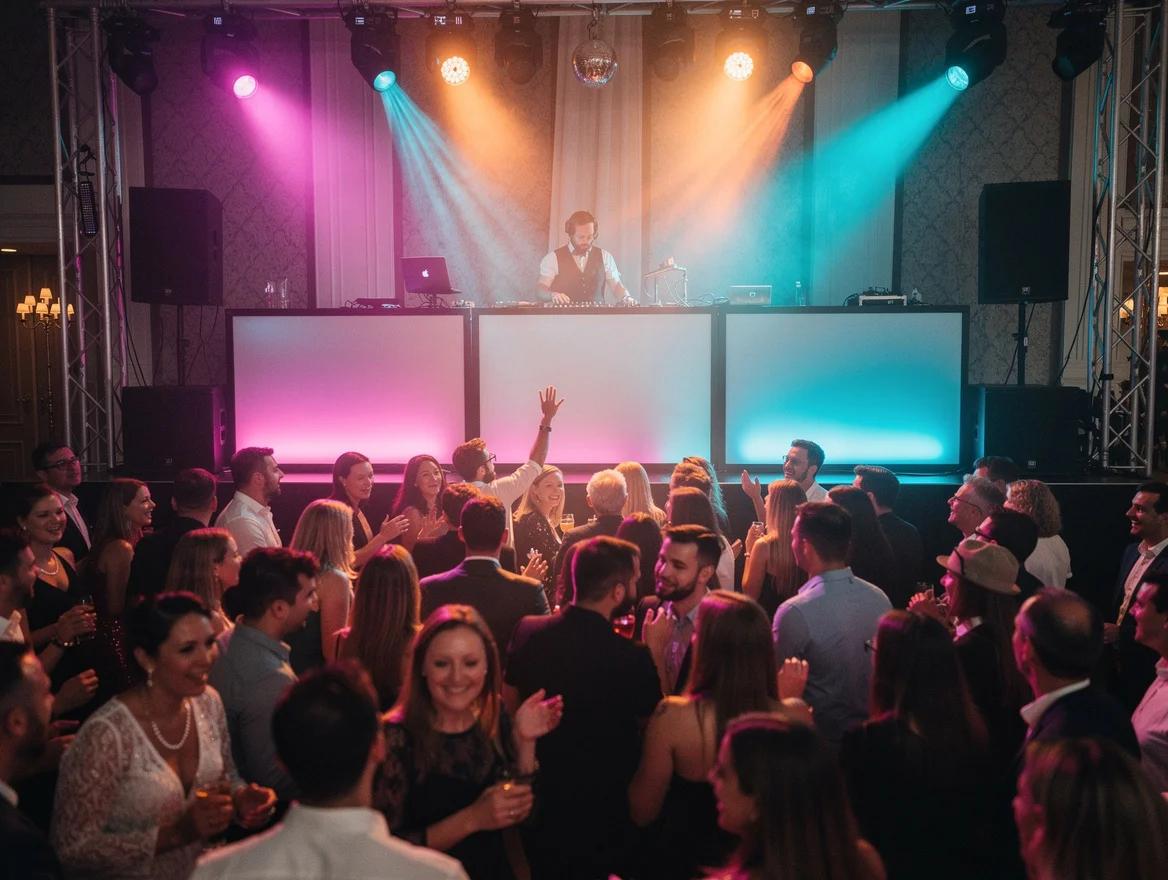
With a DJ, gear such as lighting and sound is often already included in the package, so you know better in advance where you stand. If you want a realistic picture of what you will spend, first look at the current DJ prices before you plan any further. That way you avoid surprises later and immediately know how much room is left in your budget for food, drinks and decoration.
DJ: one flat rate, gear usually included, fewer additional costs
Band: a fee per musician, extra travel costs, larger gear and sometimes catering
Always ask whether lighting and sound are in the price or charged separately
Step 2: Choose the atmosphere that suits your guests
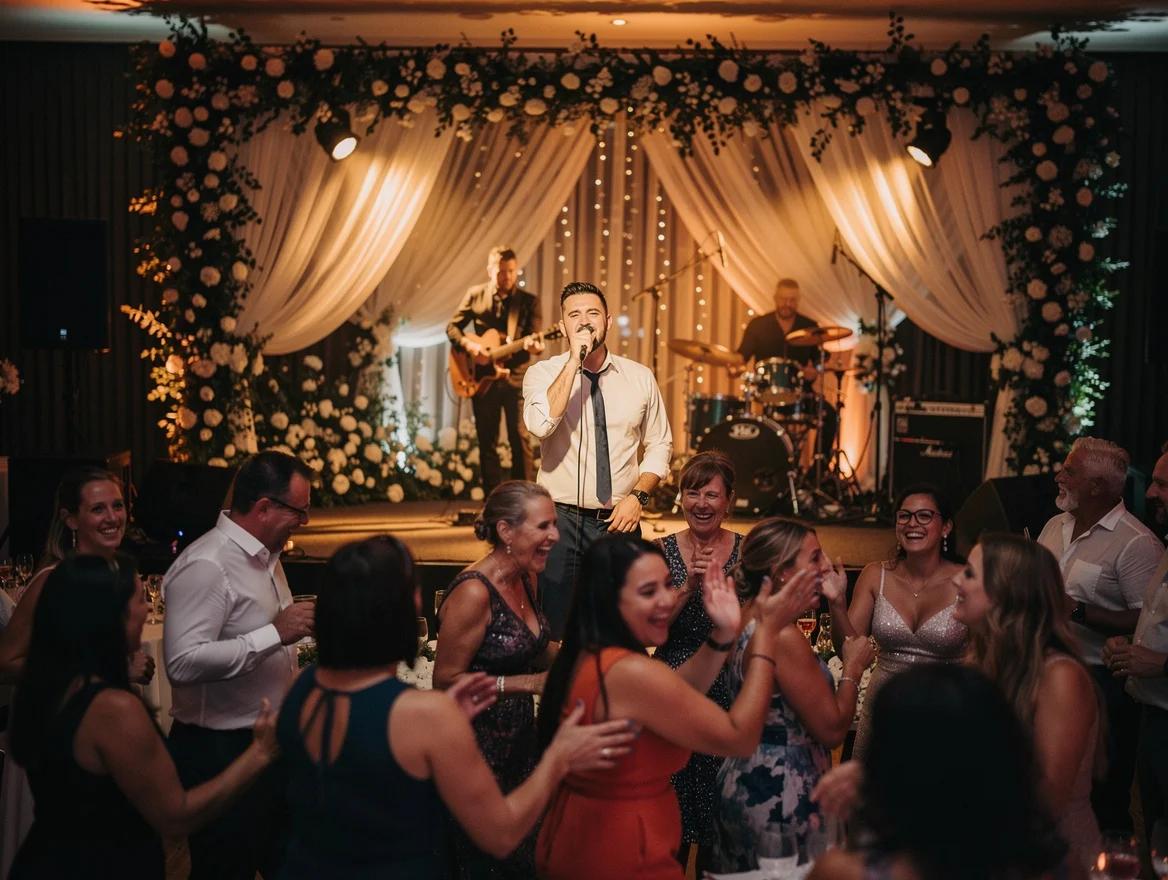
Music sets the mood, but a DJ and a band create that mood in different ways. A live band delivers a tangible, energetic experience: you see musicians sweat, hear real instruments and feel the tension of a live performance. That makes an impression and works especially well when the music itself is meant to be the centrepiece of the evening.
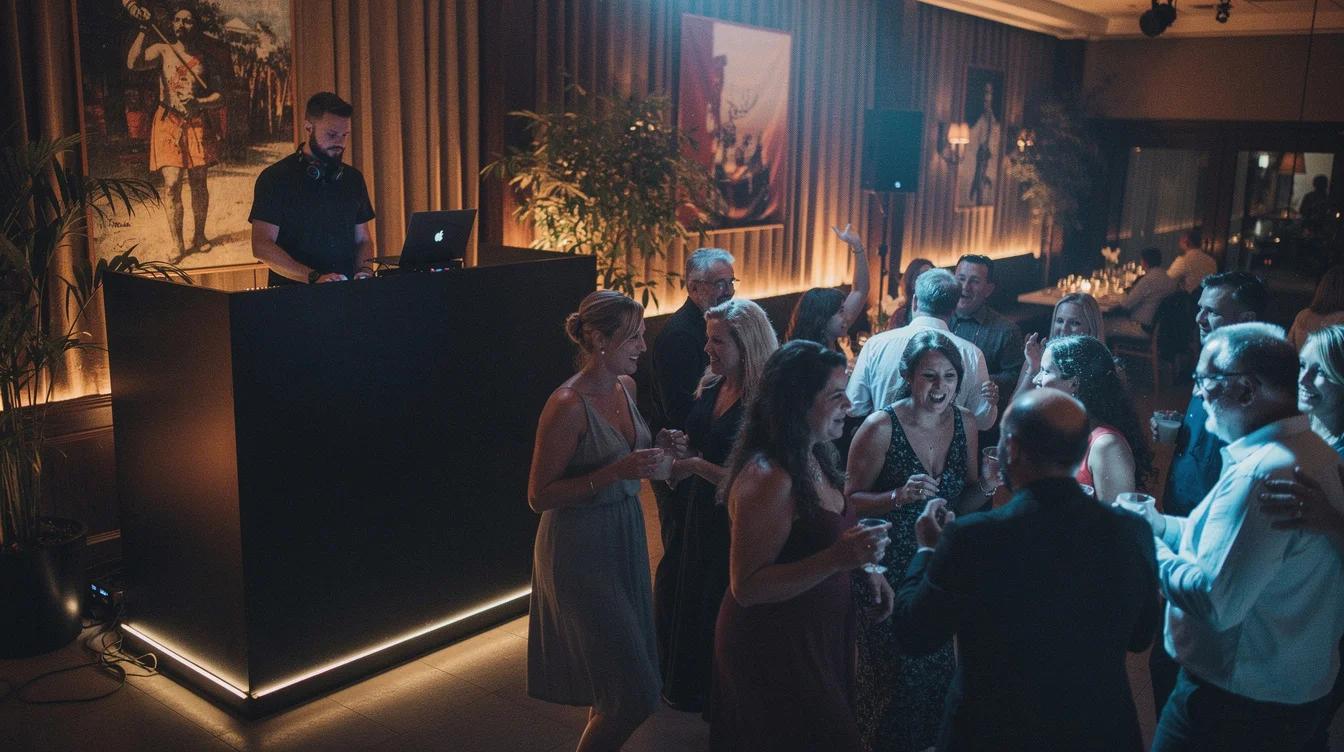
A DJ, on the other hand, excels at reading the room. Is the dance floor emptying out? Then an experienced party DJ switches to another genre in a few seconds without a break. That flexibility is hard for a band to match, since it inevitably has a fixed repertoire and set list. If you want an evening that flows seamlessly from dinner to late-night dancing, a DJ is often the safer choice.
Step 3: Measure your space before you book
The physical space at your venue is an underrated but crucial point. A band with a drum kit, amps, monitors and sometimes a horn section quickly takes up a substantial part of the room. In an intimate venue or a cosy garden, that comes at the expense of your dance floor and seating.
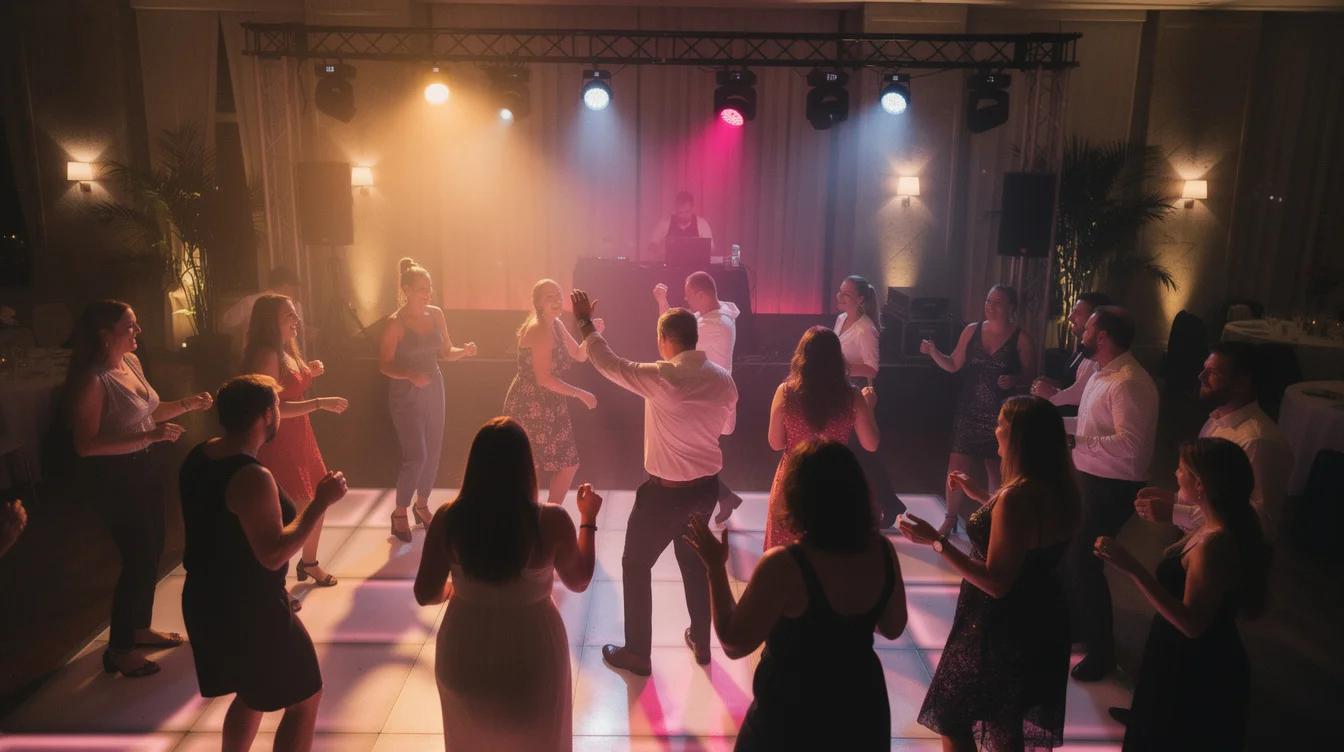
A DJ needs considerably less space: a table, some equipment and a set of speakers will do. That makes a DJ ideal for smaller venues, house parties or outdoor locations. If you are organising something in the open air, you can book a garden party DJ who knows how to get the right sound balance outdoors. Always measure your space and check where power is available before you make your final choice.
Measure the available square metres for the act and the dance floor
Check how many power points there are and whether a generator is needed
Consider noise limits: outdoor venues often have stricter rules
Take loading and unloading and the accessibility of the venue into account
Step 4: Match the music choice with your programme
What do you want to hear at your party? A band shines within a particular genre, whether that is jazz, pop, funk or rock. For guests of varying ages that can be limiting, because not everyone likes the same thing. A DJ, by contrast, has a virtually unlimited music library and moves effortlessly from eighties classics to contemporary hits and beloved sing-along tracks.
If your party is all about belting out well-known crowd favourites, then an open format DJ is a golden choice that gets the whole room singing. Still unsure exactly what to ask a musician or DJ? These 7 questions you should always ask before booking a DJ will help you align expectations.
A good musical choice is not about your personal favourites, but about what gets the most feet on the floor.
Step 5: Combine the best of both worlds
Who says you have to choose? At many parties, and certainly at weddings, a combination works fantastically. Have a band or solo artist perform during dinner or drinks for atmosphere, and then let a DJ take over the dance floor to turn it into a party into the small hours. That way you get the experience of live music and the flexibility of a DJ.
If you are planning a wedding day, it is smart to arrange this combination in good time with your venue and your wedding DJ. Through party.dj you easily compare available DJs, check out their style and book the act that suits your day right away. If you simply want all the options lined up, you can neatly book a DJ complete with lighting and sound and check availability straight away.
In short: a band brings spectacle and a unique live experience, while a DJ wins on price, space and musical flexibility. Weigh up the five steps against each other, look at your guests and your venue, and you will make the choice that makes your party unforgettable in no time.
Is a DJ always cheaper than a band?
In most cases yes, because you book one person instead of several musicians each with their own fee and travel costs. With a DJ, lighting and sound are often included, which makes the overall picture clearer and usually more affordable.
How much space does a DJ need at my venue?
A DJ usually needs just a few square metres for the table, equipment and speakers. That is considerably less than a band with a drum kit and amps, so a DJ also fits well in smaller venues or in the garden.
Can a DJ mix different music styles together?
Yes, that is actually one of the biggest advantages. A DJ reads the room and switches effortlessly between genres and generations, so young and old stay on the dance floor at the same time.
Does a combination of band and DJ work at one party?
Absolutely. A popular set-up is a band or solo artist during dinner and drinks, and a DJ who takes over the dance floor afterwards until late in the evening. That way you combine the live experience with maximum flexibility.
How far in advance should I book a DJ or band?
For popular dates such as during the wedding season or around the holidays, booking a few months ahead is wise. That increases the chance that your favourite act is still available and gives you peace of mind in your planning.